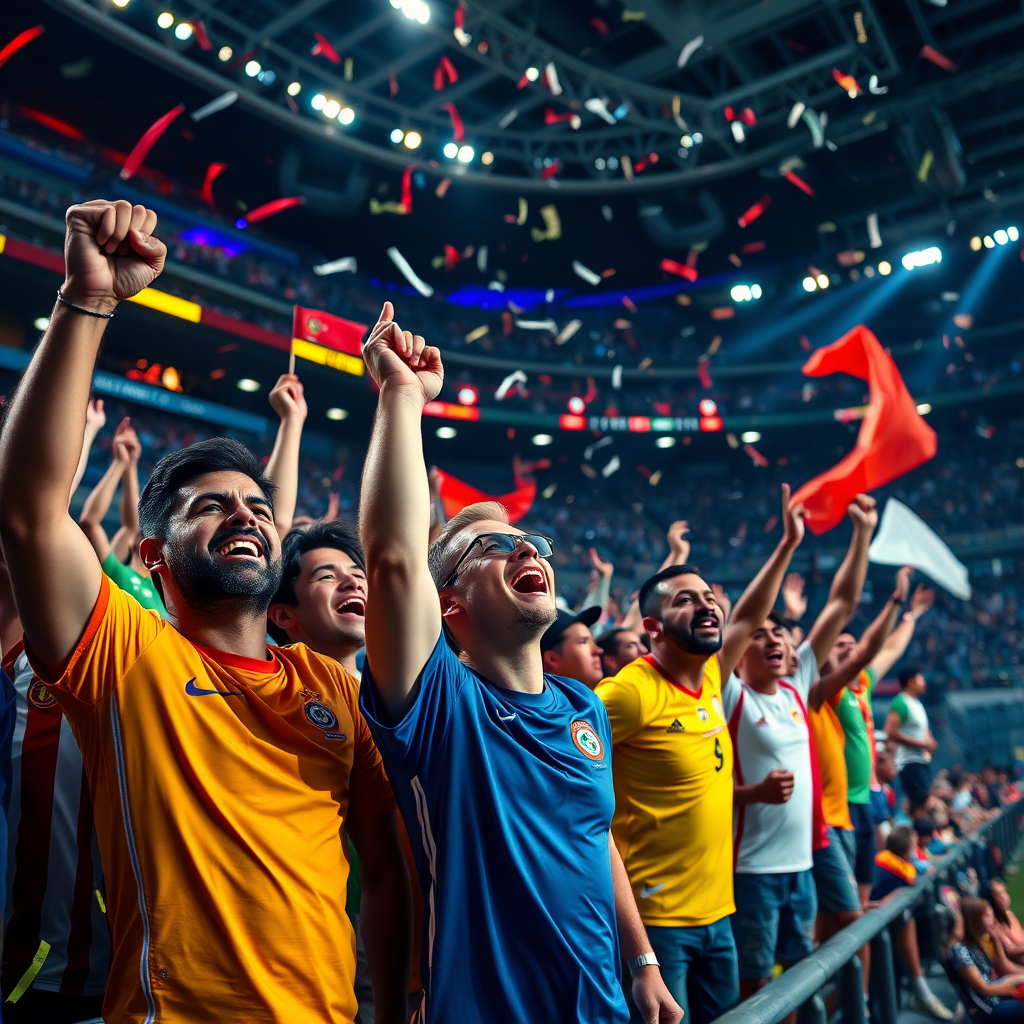
Raja Casablanca’s Derby Tifo: A Review Built on Verification and Transparency
Three findings stand out from the recent Raja Casablanca derby display. First, the choreography was not just a banner but a multi-section performance involving thousands of fans moving in sync. Second, official broadcast angles captured a large part of the show, but fan-shot video from within the stands revealed details the main camera missed. Third, the display quickly became a reference point for North African football culture, but much of the online commentary repeated the same unverified claims without adding evidence.
This review looks at the tifo through a risk-management lens: not to drain the joy out of a spectacular football moment, but to help you assess the quality of the event, the convenience of experiencing it, and the credibility of the stories around it. Because when a moment becomes this popular, the gap between what happened and what is shared grows fast.
The Stage: Why Casablanca Derbies Demand Extraordinary Tifo
The Casablanca derby between Raja and Wydad is one of the most intense fixtures on the African continent. Ask any Moroccan football follower and they will tell you the atmosphere is completely different from a regular league match. Fans treat this game as the defining event of the season. That pressure sets the bar high for the tifo, the coordinated visual displays that fill entire sections of the stadium.
In this environment, a simple banner is not enough. For a display to be remembered, it needs scale, timing and a narrative. Reports from the stands indicate that the Raja supporters aimed for all three: a wide canvas covering multiple tiers, a rolling sequence that built in intensity, and a clear message tied to the club’s identity.
Because exact details of the design were not uniformly documented, it is useful to separate what was visually confirmed from what was assumed. Verified fan footage showed coordinated card-flipping segments and large painted fabric sections, but the full sequence was best appreciated in combined clips. This is the first point where a verification mindset helps: the tifo existed, and it was impressive, but the exact sequence depends on which source you trust.
 Hình minh hoạ: 7mcn
Breaking Down the Tifo: Quality, Coordination and Visual Impact
Evaluating a tifo’s quality requires more than measuring its length or counting the number of participants. The strongest displays combine three elements: concept, execution and timing.
In this derby, the concept reportedly celebrated the club’s history and its connection to the city. The execution relied on thousands of fans following a plan that is usually rehearsed for days before the match. And the timing was set to the start of the first half, when the players walk out and the cameras are guaranteed to be watching.
From a visual standpoint, the impact works at two levels. Inside the stadium, the display is immersive and overwhelming. On screen, it compresses into a single image that either lands or falls flat depending on the camera position. Many casual viewers saw the broadcast version first and judged the tifo on that. Fans inside the ground insisted that the broadcast did not fully capture it. Both statements can be true without contradiction. A transparent review must acknowledge this gap.

Verification Matters: How to Check Derby Stories Before Sharing
Here is where the risk-management perspective becomes genuinely useful. Every major football moment now arrives with a slurry of claims: record-breaking attendance, largest tifo in club history, first display of its kind. Some of these are accurate. Others are repeated so often that they become accepted without evidence.
When I evaluate any fan display story, I apply four criteria:
- Source independence: Is the claim coming from the club, the fan groups, or an independent media outlet? Official sources confirm that the event took place, but they do not always provide neutral scale or detail.
- Visual evidence: Is there raw, unedited video from more than one angle? A single emotional montage can obscure the actual sequence of events.
- Temporal consistency: Do the timestamps align with the reported kickoff time? Viral clips are often recycled from older matches.
- Scope comparison: How does the claim compare to documented displays from the same club and its rivals in previous seasons? A tifo can be extraordinary without being a record, and calling everything a record weakens the category.
For real-time match data, historical derby records and context on past encounters, some fans use platforms like 7mcn to cross-check dates and lineups before forming conclusions. That kind of low-stakes verification costs a few seconds and prevents the most common error: attributing a present-day display to a match from years ago.
Convenience and Usability: How Fans Actually Experienced the Display
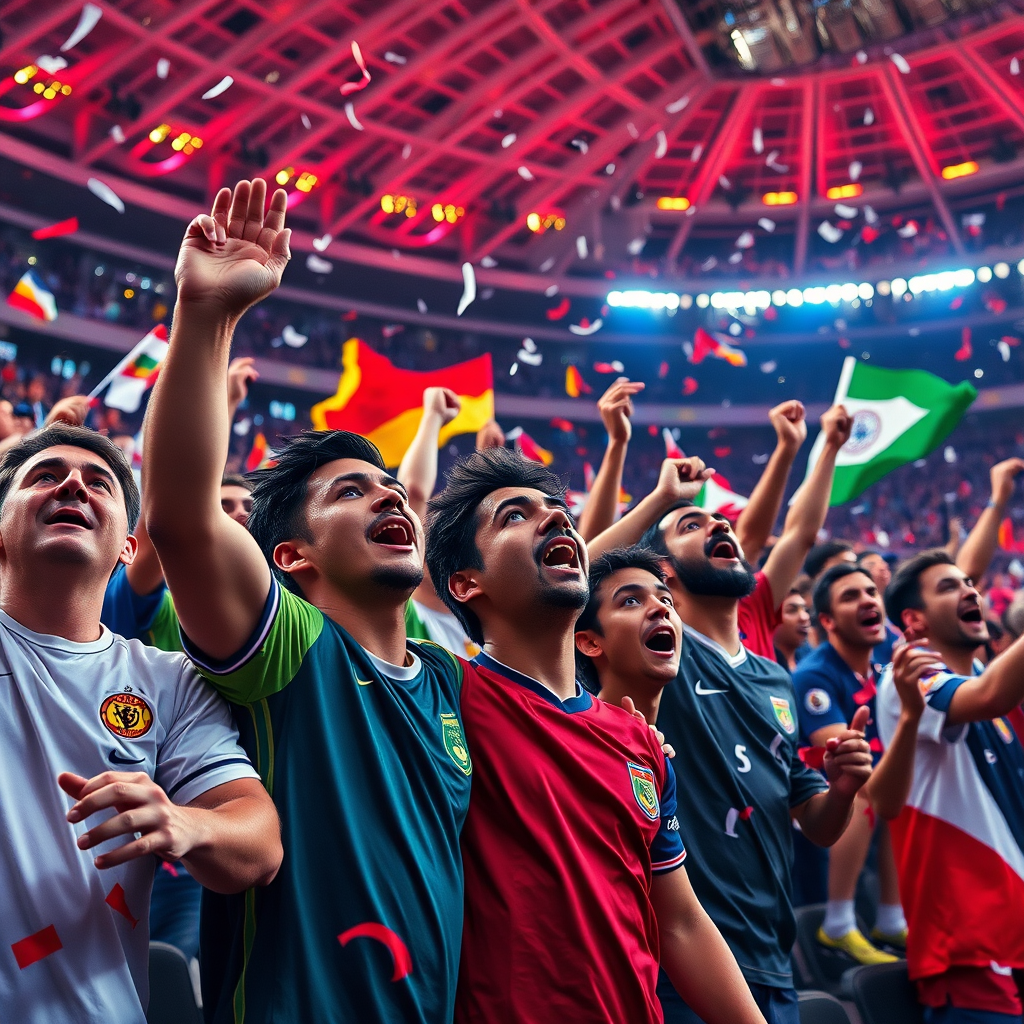
The quality of a tifo is not only judged by those in the stands. For the vast majority of Raja supporters, experiencing the derby meant watching a broadcast, following a live text feed or scrolling through social media clips after the match. That makes convenience a real factor in how the tifo is evaluated.
Broadcast coverage offered the most polished presentation but often cut to close-up shots of players during the most complex segments. Social media offered raw immediacy but presented a fragmented picture. Fans who wanted the full experience had to stitch together multiple clips, and even then, the order of the sequence was not always clear.
This practical point is rarely discussed in celebration threads. The tifo was designed for the stadium, not for perfect television. The best way to experience it is to be in the stands, and the second best way is to watch a fan-recorded panoramic video from an upper tier. The worst ways are reacting to a single cropped photo or trusting a caption that promises “the full show” but shows twenty seconds of footage.
For fans who want to track match events and compare them with the tifo’s timing, a quick check of reliable data can help. A service such as 7m cn provides the sort of objective frame of reference that keeps football conversations grounded: the start time, the lineups, the score timeline. These are not the emotional anchors of the night, but they are the facts against which the emotional anchors can be measured.

A Comparison of Typical Derby Coverage Sources
Because this article is about evaluating quality and transparency, a simple comparison table may help sort the way different sources covered the tifo.
| Source Type | What It Shows | Verification Strength | Best Use |
|---|---|---|---|
| Official club channels | Curated highlights and formal statements | High for confirming the event, low for measuring scale | Confirming that the tifo happened and reading official context |
| Fan-recorded video | Unfiltered views from inside the stands | High for visual detail, variable for context | Seeing the display in a way broadcast angles miss |
| Live broadcast | Polished multi-camera coverage | High for timing, but cuts away early | Understanding when the tifo happened in the match timeline |
| Social media quote posts | Captions, reactions and recycled clips | Low, unless the original clip is linked | Gauging public reaction, not establishing facts |
The table makes one point clear: each source type has a role, but none should be used alone when you are trying to understand what truly happened.
Who Should Pay Attention to This Tifo Story — and Who Can Skip It
This topic is not for everyone, and that is fine. A tifo review built around verification and transparency will appeal most to four groups.
Football culture researchers will appreciate the comparison between broadcast and fan-shot evidence. Sports content creators need to know how to source visual material responsibly. Casual fans who missed the derby but want to understand why it trended will find this a useful starting point. And anyone who cares about African club football can place this display inside the larger tradition of supporter creativity.
On the other hand, readers looking for tactical analysis of the match itself will be disappointed. There is no discussion of formations, pressing or expected goals here. Likewise, fans who simply want to celebrate the tifo without any critical questions may find the verification angle unnecessary. And if your only interest is the final score, this article does not provide the kind of streamlined match report you are looking for.
Action Checklist for Evaluating the Next Viral Fan Display
You do not need to be a journalist to apply better verification habits. The next time a tifo or fan display catches your attention, work through this checklist:
- Find the original video, not a repost with a motivational caption.
- Compare at least two independent camera angles to understand the layout.
- Check the posted date and time against the known match date.
- Read the comments in the fan groups where the display was organized.
- Search for the club’s official account to see whether they acknowledged the display.
- If a record is claimed, search for the previous record to see if the comparison holds.
- Share the tifo with an accurate description rather than an exaggerated superlative.
- If you include match data in your reaction, confirm the basic facts with a trusted score or stats source before posting.
The Raja Casablanca derby tifo did what all great tifo should do: it brought emotion, identity and artistry into a football stadium. It deserves to be remembered. It also deserves to be remembered accurately.
By applying restraint and verification to a moment that naturally pushes people toward exaggeration, you can enjoy the spectacle without contributing to the noise.